
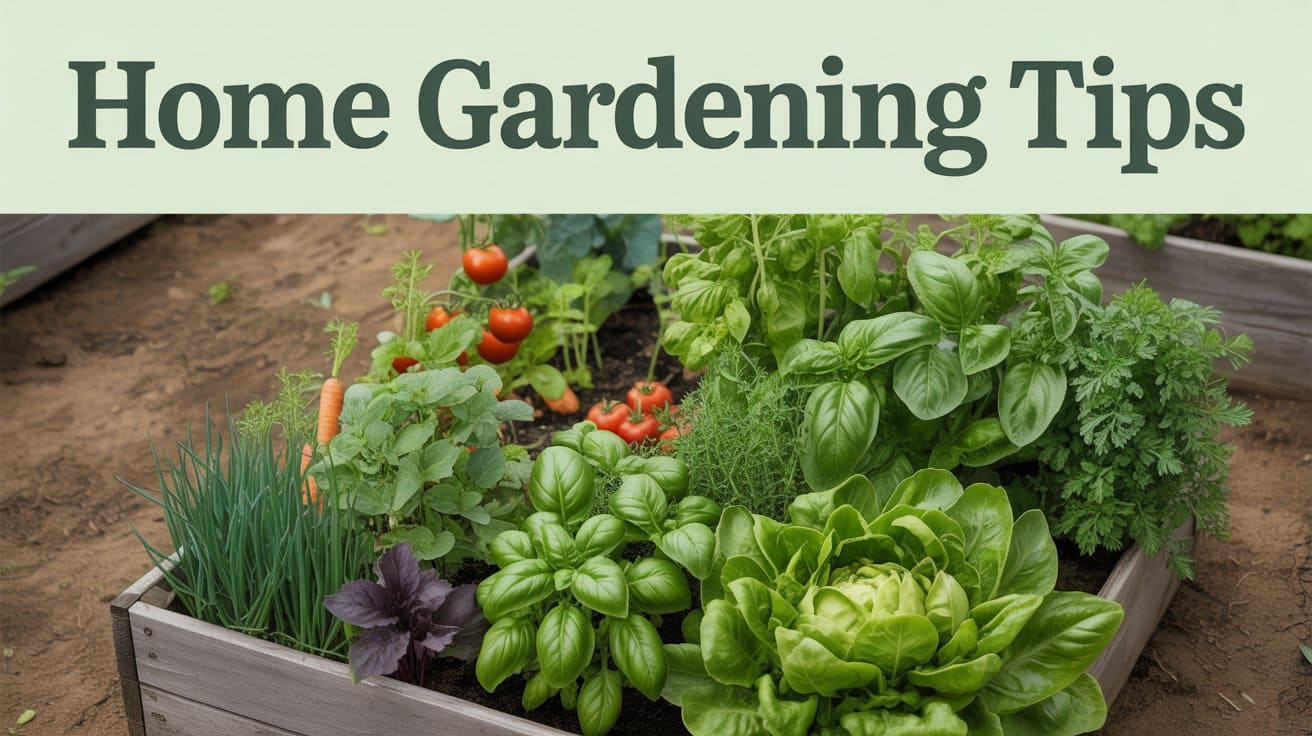
Just imagine the feeling when you went out and purchased those pots, you had your compost, you planted your baby spinach or that tomato plant, and now you are out there every morning telling your plants how beautiful they are. Everything about it seems pretty until your tomato plant dies out of the blue, your chilli refuses to flower anymore, and your coriander gives up and ghosts you.
Sounds familiar, right?
You’re in the brave new world of home organic farming, where errors are the order of the day, and most of them can be completely avoided. Actually, a study conducted by the Indian Council of Agricultural Research (ICAR) established that more than 70% of first-time gardeners in urban areas lose more than half of their crops due to rookie errors.
But here’s what they don’t tell you in those picture-perfect Instagram gardening posts: failure is not just normal, it’s expected. And honestly? It’s the fastest way to learn.
I’ve been there. Standing on my Ranchi balcony, staring at my third dead basil plant, wondering if I was cursed. Spoiler alert: I wasn’t cursed. I was just making the same mistakes that thousands of urban gardeners make every single day.
This isn’t going to be another “10 easy tips” article that makes everything sound simple. This is the real, dirt-under-your-nails truth about home organic farming, the mistakes, the organic farming issues that nobody warns you about, and the actual home gardening tips that work in Indian conditions, not some idealised European garden.
Why Your Garden Is Struggling (And It’s Not Your Fault)
Before we dive into solutions, let’s address the elephant in the room: most gardening advice you find online is not written for Indian climates, Indian soil, or Indian gardeners.
You’ll read that tomatoes need “cool nights” and “mild summers.” Great. Have they been to Delhi in June? Your tomatoes are out there experiencing existential crisis-level heat, and you’re following advice meant for someone in California.
Here’s what actually matters for home organic farming in India:
Your Climate Zone: India has six distinct agro-climatic zones, each with wildly different growing conditions. What works in Kerala will murder your plants in Rajasthan.
Monsoon Season: That three-month period when your garden either thrives or drowns, depending on how prepared you are.
Local Soil Conditions: Indian soil varies from clayey to sandy to loamy, often within the same city.
Urban Challenges: Pollution, limited space, AC drainage water, concrete heat reflection, and nosy pigeons who think your seedlings are a buffet.
Once you understand these realities, those rookie errors start making sense. That number should not frighten you: it’s just an average of not being alone. And given a minor clue and a mighty amount of compost, those fumbles can turn into leafy success, especially when armed with proper home gardening tips and tips for gardening at home.
The 10 Mistakes That Are Killing Your Garden (And How to Fix Them Today)
1. Overwatering Is Like Drowning Your Dream Plant
Let’s start with the biggest killer: love. Too much love, specifically.
Your plants cannot swim if you drown them with the constant practice of overwatering. This is a common mistake that beginner planters make. You become enthusiastic, and you’re eager to take care of your plants, so you water them twice a day as you feed your toddler.
But here’s the catch: plants do require moisture, but not sogginess.
What’s Actually Happening When You Overwater:
- Roots can’t breathe (yes, roots need oxygen)
- Fungus moves in like a bad tenant
- Root rot sets in, and by the time you notice, it’s often too late
- Nutrients get washed away before plants can absorb them
Surplus water leads to root rot, fungus, and dying, wilting leaves. Veggies, most of them, require watering on an alternate-day basis depending on the climatic conditions.
The Fix:
Pro-tip is to perform the finger test: use 1 inch of the finger to stick in the soil. If it appears dry, then it needs watering. Back off if it is still wet. That’s one of the most crucial home gardening tips you’ll learn early.
Indian Climate Adaptation:
- Monsoon season: Reduce watering to once every 3-4 days, or even weekly if it’s raining regularly
- Summer months: Might need twice daily for terracotta pots, once for plastic
- Winter: Every 2-3 days is usually sufficient
Pro tip from my own failures: Set phone reminders not TO water, but to CHECK if watering is needed. The difference is huge.
2. Selecting the Inappropriate Plants for Your Weather Conditions
This is where dreams go to die. You see a beautiful broccoli photo online, buy seeds, plant them in May in Chennai, and wonder why nothing happens.
Broccoli does not grow in Chennai’s summer, and cucumber does not turn juicy in Shimla’s winters.
Every plant has its vibe, like:
- The Indian monsoon is the favourite of spinach and methi
- Tomatoes, brinjal, and chillies grow during summer
- Peas, carrots, and cabbage are winter babies
The Regional Reality Check:
Northern India (Delhi, Chandigarh, Jaipur):
- Summer: Struggle season. Focus on amaranth, okra, and bottle gourd
- Monsoon: Leafy greens explosion—spinach, methi, coriander
- Winter: The golden period—everything from peas to radishes
Southern India (Bangalore, Chennai, Hyderabad):
- Year-round growing is possible, but timing matters
- Avoid European vegetables unless you have shade cloth
- Native varieties will always outperform imported seeds
Eastern India (Kolkata, Bhubaneswar):
- High humidity = extra vigilance for fungal issues
- Monsoon can be intense; drainage is critical
- Winter vegetables do exceptionally well
Western India (Mumbai, Pune, Ahmedabad):
- Coastal regions: Salt-tolerant plants, excellent year-round growing
- Interior regions: Extreme summer heat requires strategic planting
Consult a planting calendar for your area always. Out in the local nursery or gardening group, you can mine the knowledge of the season for choosing the appropriate plants. These seasonal hacks are valuable tips for gardening at home.
3. Disregard of the Sun Situation
Here’s an uncomfortable truth: if you don’t have at least 4 hours of direct sunlight, you cannot grow tomatoes. Period.
Light is life for the plants. When your plant is stretched up, facing the light, it’s probably begging for the light.
Signs Your Plants Are Screaming for More Light:
- Tomatoes have no fruit
- Vegetables get pale green
- Plants that are tall yet weak (called “leggy” in garden speak)
- Leaves facing dramatically toward the nearest light source
The majority of vegetables require between 4-6 hours of full sunlight. Herbs and leafy green vegetables can get away with 2-3 hours, but fruits and flowering vegetables? They require centre stage.
The Indian Balcony Reality:
Most urban apartments have one balcony. One direction. One shot at getting this right.
If you have a South-facing balcony: Congratulations, you won the gardening lottery. 6+ hours of sun. Grow whatever you want.
East-facing: Morning sun, 3-4 hours. Perfect for herbs, leafy greens, and shade-tolerant crops.
West-facing: Afternoon scorcher. It can work, but it needs shade cloth in summer. Good for heat-loving plants.
North-facing: The challenge mode. Focus on microgreens, shade-tolerant herbs, or invest in grow lights.
Balconies are the best south-facing in India, or else we can opt for portable pots that you can move according to the position of the sun. Understanding light placement is one of the often-overlooked home gardening tips.
Pro Strategy: Use a sun calculator app. Track sun patterns for one week before deciding what to plant where. I learned this after killing six tomato plants in my east-facing balcony corner that got exactly 2.5 hours of sun.
4. Random Soil Use
Let me be blunt: it is not just that you dig up dirt on the roadside and expect miracles.
Bad soil = bad drainage + no nutrition + bugs. That’s a triple threat.
I once watched my neighbour fill pots with soil from a construction site. Spoiler: nothing grew. That soil was compacted clay that turned into concrete when it dried.
An excellent soil mixture ought to be:
- Floating and light
- Nutrient-rich
- Moisture-retaining
How to Make Your Own DIY Soil Mix:
- Garden soil: 40%
- Compost (home-made or vermicompost): 30%
- Cocopeat: 30%
- Use wood ash or neem cake powder to prevent pests in an organic way
Why This Mix Works:
Garden soil provides structure and minerals. Compost brings nutrition and beneficial microbes. Cocopeat retains moisture and ensures the mix doesn’t compact. Together, they create an environment where roots actually want to spread out.
Our latest post on how to make kitchen waste compost may work well for you.
Cost Reality Check:
A 50-litre bag of this mix costs approximately ₹200-300 to make yourself, versus ₹500-800 for pre-made “potting mix.” For five pots, you’ll need about 75-100 litres.
Budget tip: Join a local gardening group. Bulk orders of cocopeat and vermicompost can cut costs by 40%.
Understanding your soil is essential when facing organic farming issues.
5. Omissions of Drainage Holes
Don’t leave your plants like in a bathtub if there is no drainage.
This mistake seems so obvious, yet I’ve seen it countless times. Beautiful ceramic pot, no holes, dead plant in three weeks.
In the absence of drainage holes, the water settles at the bottom and drowns the roots. The result? Mould, dirt that stank, and a dead plant.
The Non-Negotiable Rule:
Punch holes at the bottom of all your pots—containers, buckets or bags, ceramic pots, even posh ones require an escape opening. If there is no hole = there is no hope.
How to Add Drainage to Different Pot Types:
- Plastic pots: Use a hot nail or drill, make 4-6 holes
- Ceramic/Terracotta: Use a masonry drill bit, go slowly, make 3-4 holes
- Metal containers: Drill or hammer + nail method
- Wooden crates: Usually have natural gaps, but add more if needed
Add a layer of broken terracotta pieces or pebbles at the bottom before adding soil. This prevents soil from washing out while ensuring water flows freely.
This is one of the tips for gardening at home that will save a hundred plants.
6. Failure to Feed the Plants Well
Here’s where organic farming gets tricky. Even the plants that are organically grown require proper nutrition, too.
Compost is excellent; however, as time goes on, the plants consume these available nutrients. It is not sufficient to use just water for the adequate growth of the plants.
Symptoms of Malnutrition:
- Yellowing leaves (nitrogen deficiency)
- Slow or stunted growth (phosphorus deficit)
- No flowering/fruiting (potassium shortage)
To the Rescue Come Organic Boosters:
- Liquid gold (compost tea): Soak compost in water for 24 hours, dilute 1:10, use as a fertiliser
- Waters made out of banana peels (high potassium content): Boil peels, cool, dilute, and apply
- Eggshells (calcium fix): Crush and sprinkle around tomatoes and peppers
- Cow dung slurry (desi-style fertiliser): The OG organic fertiliser, aged for 2-3 months
Feed your plants every 2–3 weeks. They’re not high maintenance, they’re just hungry. These are gold-standard home gardening tips for nutrition management.
The Organic Fertiliser Reality:
Unlike chemical fertilisers that give instant results, organic nutrition works more slowly. You’re feeding the soil ecosystem, which then feeds the plants. It takes patience, but the payoff is healthier plants with better disease resistance.
Cost-Effective Feeding Schedule:
- Week 1-2: Compost tea
- Week 3-4: Banana peel water or diluted cow dung slurry
- Week 5-6: Eggshell calcium boost
- Repeat
Total monthly cost: Less than ₹50 if you’re making everything at home.
Do you know you can also grow organic vegetables in your home garden?
7. Planting Too Close Together
Don’t crowd your green babies.
We get it, you’re excited and want a green, lush jungle vibe. But too many plants in one pot = no room to grow + poor air circulation + pest party.
Think of it like this: would you want to live in a studio apartment with five roommates? Neither do your plants.
Some Golden Spacing Rules:
- Leafy greens: 4–6 inches apart
- Tomatoes/Chillies: 10–12 inches
- Root veggies: 6–8 inches
The Math Nobody Tells You:
A standard 12-inch pot can hold:
- ONE tomato plant
- TWO chilli plants
- THREE-FOUR spinach plants
- FIVE-SIX lettuce plants
Label pots and space plants according to their mature size. Spacing correctly solves many organic farming issues before they arise.
I learned this the hard way when I planted eight spinach seedlings in one pot. They all grew to about 3 inches tall and stopped. Shocked Pikachu face when I realised they were literally choking each other out.
8. Forgetting Pest Prevention
You might feel that your plants are pesticide-free, but the bugs didn’t get the message.
Aphids, mealybugs, whiteflies, and caterpillars adore your garden more than you do. And honestly? They’re faster breeders than you are a gardener.
The Organic Pest Control Arsenal:
- Neem oil spray (weekly): Mix 5ml neem oil + 1ml dish soap + 1 liter water
- Garlic + chilli + soap spray (homemade bug off): Blend 10 garlic cloves + 2 green chillies + 1 litre water, strain, add soap
- Marigold or tulsi plants (natural deterrents): Companion plant these around your veggies
- Keep the soil tidy and clear of rotting leaves
The Inspection Ritual:
Every morning with your coffee, do a leaf check. Flip leaves over. Look at the stems. Inspect under the pots.
Catch aphids early, and you’ll squish ten bugs. Ignore them for a week, and you’ll have a thousand.
Among the top home gardening tips, pest control is your best plant armour.
Organic Farming Reality Check:
This is one of those organic farming issues nobody talks about: organic pest control requires MORE effort than chemical sprays. It’s not one-and-done. It’s consistent, preventive, and observant gardening.
Is it worth it? Absolutely. But be honest about the time commitment.
9. Omitting Crop Rotation
This error sneaks in after your initial harvest. You simply replant tomatoes in the same pot since it succeeded the previous time, right?
Wrong.
Why Should We Practice Crop Rotation?
- Avoids soil nutrient depletion
- Breaks the pest/disease cycle
- Enhances overall yield
Different plants are hungry for different nutrients. Tomatoes are heavy feeders—they suck up nitrogen like there’s no tomorrow. Plant tomatoes in the same soil twice, and the second crop will be weak and disease-prone.
A Very Simple Rotation Tip:
Switch between: Leafy greens → Fruit plants → Root crops.
Example Rotation for a Single Pot:
- Season 1: Spinach (light feeder)
- Season 2: Tomatoes (heavy feeder)
- Season 3: Carrots (root crop, different nutrient needs)
- Season 4: Rest with compost, or plant beans (nitrogen fixers)
In this way, the soil remains healthy and in balance. This is one of the essential tips for gardening at home that many people miss.
10. Quitting Too Early
Nobody is a natural-born gardener. Even experienced plant parents lose a harvest every once in a while.
So don’t let one limp brinjal plant shatter your aspirations of a home garden.
Your mint may die, but your spinach will boom. Your chillies may pout, but your lettuce will party.
The golden rule: Fail, learn, adapt, and grow anew. That’s gardening, and that’s life.
Among all the home gardening tips, this one is the most soulful: Don’t give up.
I killed eleven coriander plants before I figured out that my balcony was just too hot for them in summer. Now I plant it in October, and it thrives. Eleven plants. Eleven lessons.
What to Learn from Real-Life Errors
Priya (Pune): The tomatoes were too fickle, and she killed two plants before it dawned on her that she was overwatering them. She now only waters when the topsoil is dry, and her present plant has 12 tomatoes. A tale of classic home gardening tips in motion.
Ankit (Bengaluru): He purchased pretty ceramic pots and forgot to drill holes to drain them. One week after planting, his coriander became compost. He has pierced all pots nowadays. Fixing organic farming issues one drainage hole at a time.
Rhea (Delhi): She planted 6 plants in a single pot. None of them grew. She has no space, so all things get edible greens in her diet too! A lesson in spacing from the real MVPs of tips for gardening at home.
Important Precautions to Be Taken
The Don’ts That Save Gardens:
- There is no need to spray chemicals when one insect appears
- Avoid getting too many seeds at a time because they have expiry dates
- Do not have your garden in spots where AC water flows, or where the roof of your home leaks
- Remember not to forget to indicate your pots. When they are infants, spinach and methi appear peculiarly similar
- Never leave the harvesting clean-up near the fresh pots and plants, trimmed and ready to go the next round
These home gardening tips are not just for beginners; they’re survival tactics.
The Honest Economics of Home Organic Farming
Let’s talk money, because nobody else will.
Initial Investment (for a 10-pot balcony garden):
- Pots (reused/budget): ₹500-1,000
- Soil mix: ₹600-800
- Seeds (seasonal): ₹200-400
- Compost/fertiliser: ₹300-500
- Tools (basic): ₹300-600
- Total: ₹1,900-3,300
Monthly Maintenance:
- Organic fertilisers: ₹100-200
- Seeds/seedlings: ₹100-300
- Water: Negligible
- Total: ₹200-500
Realistic First-Year Harvest Value: ₹3,000-6,000 worth of vegetables
Break-even point: 6-12 months
But here’s the truth: You’re not doing this to save money. Not really. You’re doing this for:
- The taste of an actual tomato (store-bought ones are lies)
- The mental health benefits (proven by science)
- Teaching kids where food comes from
- Controlling what goes into your body
- The ridiculous satisfaction of eating something you grew
Put a price on that.
Your 90-Day Action Plan for Organic Gardening Success
Month 1: Foundation & Learning
- Set up 3-5 pots with proper drainage
- Prepare soil mix
- Plant easy wins: spinach, methi, radish
- Start a gardening journal (trust me on this)
- Join a local gardening group
Month 2: Building Confidence
- Add 3-5 more pots
- Introduce slightly trickier plants based on the season
- Start composting kitchen waste
- Experiment with one organic fertiliser recipe
- Learn pest identification
Month 3: Expansion & Optimisation
- Assess what worked and what didn’t
- Rotate crops in the original pots
- Try one “dream” plant (tomatoes, chillies, etc.)
- Refine your watering schedule
- Share extras with neighbours (build community)
Final Truth
Facts aside, home organic farming is all about patience, observation, finding the order within disorder, and learning to work with nature, rather than opposing it.
You will screw up. Your chilli can fail to fruit, and your spinach may bolt. But each mistake you make makes your thumb greener, your instinct keener, your garden kicking.
Do not give up when the coriander dies. Breathe, readjust, compost that lesson, and move on.
Because one day, when you cut that juicy tomato which you grew yourself, you will see it was all worth it.
Armed with these home gardening tips, aware of the most common organic farming issues, and consistent in applying tips for gardening at home, you’ll be the plant whisperer your balcony never knew it needed.
Now get out there and kill some plants. It’s the only way to learn.
Have you made any of these mistakes? Drop a comment below and let’s commiserate together. Because nothing builds a gardening community like shared failures and eventual triumphs.
This article explains beginner challenges really well. One mistake I personally struggled with was choosing the right herbs and soil balance when starting out. I later wrote a beginner-friendly Medium article documenting what worked and what didn’t, in case it helps someone starting out:
https://medium.com/@onen6665/how-i-started-a-medicinal-herb-garden-at-home-beginner-friendly-guide-for-2026-779b6b9538d9