
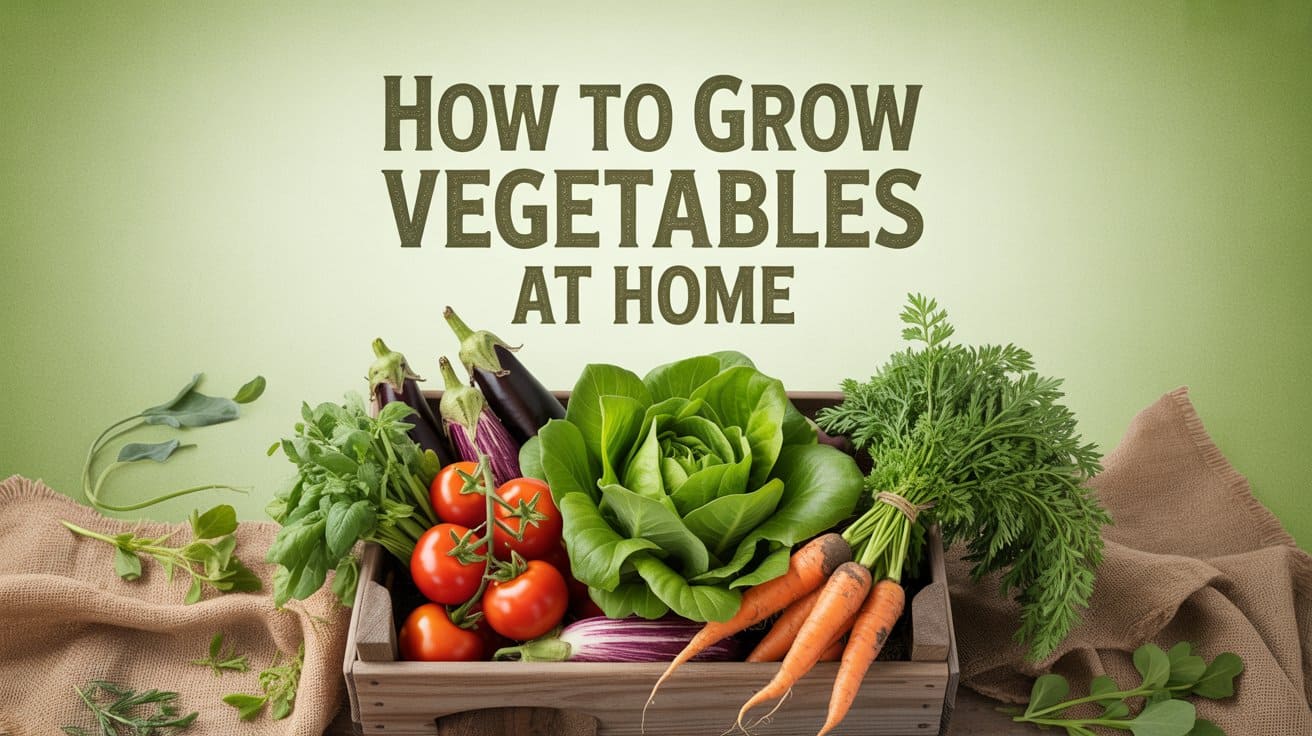
You don’t need a farm to become a farmer. All you need is a patch of soil, a sprinkle of curiosity, and that irresistible urge to bite into vegetables you grew with your own hands.
Let me tell you something wild: in our world of plastic-wrapped tomatoes and preservative-soaked spinach, nearly 18% of urban Indian households started home gardening after 2020. And here’s the kicker—65% of them chose vegetables over flowers. Why? Because there’s something deeply satisfying about eating food you grew yourself. It’s not just nutrition; it’s pride on a plate.
Whether you’re working with a balcony, a backyard, or even a sunny windowsill, learning how to grow vegetables at home is no longer a luxury—it’s a modern necessity. It’s affordable, eco-friendly, and honestly? It’s better than therapy.
Ready to get your hands dirty? Let’s dig in!
But before talking about how to grow vegetables at home, you should know this: Benefits of organic farming
Why You Should Grow Your Vegetables at Home (Besides Bragging Rights)
Those supermarket veggies might look Instagram-perfect, but they’ve travelled hundreds of miles, been sprayed with who-knows-what, and lost half their nutrients by the time they hit your plate. Here’s why growing your own changes everything:
Zero Pesticides: You control exactly what goes into your soil—and more importantly, what doesn’t.
Nutritional Powerhouse: Fresh-picked greens contain significantly more vitamins than their store-bought cousins.
Money Saver: A single tomato plant can produce 8-10 kilos of fruit in one season. Do the math!
Environmental Win: No plastic packaging, no carbon-footprint transportation, just pure sustainability.
Mental Health Boost: According to research in Preventive Medicine Reports, gardening reduces stress levels by about 25%. Your mind will thank you as much as your body.
The Essentials: What You Actually Need to Start
Forget tractors and acres of land. To grow your vegetables at home successfully, you only need these four fundamentals:
1. Space (Any Space!)
- Terrace, rooftop, balcony, windowsill, or backyard corner
- Containers, grow bags, vertical racks—get creative
- Even a 2×3-foot area can transform into a productive garden
2. Sunlight (Nature’s Free Gift)
- Most vegetables need 4-6 hours of direct sunlight daily
- In India, south-facing spaces work best
- Don’t have much sun? Try leafy greens—they’re more forgiving
3. Water (The Right Amount)
- Regular watering is essential, but drainage is equally important
- Pro tip: Use a watering can with a fine spout to prevent soil displacement
- Morning or late evening watering works best
4. The Perfect Soil Mix
Here’s your golden recipe:
- 40% garden soil (the foundation)
- 30% compost (vermicompost or kitchen waste compost)
- 30% cocopeat (retains moisture beautifully)
- Add a sprinkle of wood ash or neem cake powder for natural pest control
Best Vegetables for Beginners (The “Can’t-Kill-These” List)
Not all plants are drama queens. Some are the succulents of the edible world: low maintenance, high reward. Start with these champions:
1. Spinach (Palak)
- Germinates in 5-7 days
- Ready to harvest in 30 days
- Grows back after cutting—it’s the gift that keeps giving!
2. Tomatoes
- Sun-worshippers (give them all the light)
- Need support (bamboo stick or trellis)
- Cherry tomatoes are perfect for beginners learning how to grow vegetables at home
3. Green Chillies
- Incredibly productive
- Pick frequently to keep the plant producing
- One plant can supply your kitchen for months
4. Spring Onions
- Literally just regrow kitchen scraps in water
- Perfect for lazy gardeners (no judgment!)
- Ideal for small pots
5. Carrots
- Need deep pots (at least 12 inches)
- Take 70-80 days, but that satisfying crunch is worth every minute
Other Easy Winners: Coriander, mint, fenugreek (methi), okra, and lettuce—all perfect for anyone learning to grow at home vegetables.
Your Step-by-Step Planting Blueprint
Step 1: Choose Your Container
- Old paint buckets, terracotta pots, plastic containers, grow bags—reuse what you have
- Critical: Drill drainage holes to prevent root rot
- Size matters: leafy greens need 6-8 inches of depth, root veggies need 12+ inches
Step 2: Prepare Your Soil
- Mix your soil using the recipe above
- Fill the container, leaving 2 inches of space at the top
- Moisten the soil before planting
Step 3: Plant Your Seeds
- Follow seed packet depth instructions (usually 2-3 times the seed size)
- Cover lightly with soil
- Gently sprinkle water—think fairy dust, not thunderstorm
Step 4: Label and Position
- Write labels on popsicle sticks or markers (baby spinach and coriander look identical!)
- Place in the sunniest spot available
- Group plants with similar water needs together
Step 5: Water Wisely
- Check soil daily—water when the top inch feels dry
- #1 plant killer: Overwatering
- Consistency beats intensity every time
Natural Pest Control (Chemical-Free Zone)
Say no to toxic sprays. Here’s how to grow your vegetables at home while keeping pests at bay naturally:
Neem Oil Spray: Your all-purpose defender against aphids, mites, and fungal infections. Mix 2 teaspoons of neem oil with a litre of water.
Garlic-Chilli Spray: Blend 5-6 garlic cloves and 2 green chillies with water. Strain and spray. Bugs hate it; your plants love it.
Crushed Eggshells: Sprinkle around plants to repel snails while adding calcium to the soil.
Marigold Guards: Plant marigolds around your veggies—they’re natural pest bouncers.
Daily Inspection: Your plants talk to you through drooping leaves, discoloured spots, or unexpected visitors. Listen closely.
Do you know you can also make organic compost with kitchen waste at home
Your Indian Seasonal Planting Calendar
Summer (March-June): Cucumber, brinjal (eggplant), tomato, okra, bottle gourd
Monsoon (July-September): Beans, spinach, chillies, gourds, leafy greens
Winter (October-February): Carrot, cauliflower, radish, peas, onion, cabbage
Pro Strategy: Rotate crops seasonally to keep soil healthy and learn how to grow vegetables at home year-round.
Harvesting: The Victory Lap
This is your moment. But don’t rush it:
- Leafy greens: Cut outer leaves first; let the centre keep growing
- Fruiting vegetables: Harvest when fully colored and slightly soft to the touch
- Root vegetables: Wait for tops to emerge slightly from the soil
- The best part? Share your bounty with neighbors. Nothing says “I’m winning at life” like gifting homegrown chillies in the WhatsApp group chat!
Bonus Tips for Next-Level Success
Start Composting: Transform kitchen peels into black gold for your soil. It’s free fertilizer.
Keep a Garden Journal: Note what worked, what didn’t, which pests visited, and when butterflies appeared. You’ll thank yourself next season.
Join Online Communities: Facebook groups and Reddit forums are treasure troves of hacks and inspiration. Learn from others who grow their vegetables at home.
Succession Planting: Don’t plant everything at once. Stagger planting by 2 weeks for continuous harvests.
Save Seeds: Let one or two plants go to seed. Collect, dry, and store for next season—free seeds forever!
The Real Reason This Matters
In our world of instant gratification and ultra-processed everything, gardening teaches us something radical: patience.
You can’t rush a tomato. You can’t microwave maturity into a carrot. You have to water, wait, and witness. And in that waiting, something magical happens—you slow down. You get grounded (literally). You remember that the best things in life follow natural rhythms, not Amazon delivery schedules.
When you grow your vegetables at home, you’re not just producing food. You’re staging a quiet revolution against chemical-laden shelves. You’re practicing self-reliance, sustainability, and self-care all at once.
You don’t need to know Latin plant names. You don’t need expensive equipment or a degree in botany. You just need a little space, some seeds, and a whole lot of heart.
Your Next Step
So here’s my challenge to you, urban farmer: swap that scrolling thumb for a green thumb. The future isn’t just tech—it’s terracotta too.
Start small. Plant three things this week. Water them tomorrow. Check on them the day after. Before you know it, you’ll be the person in your building with the legendary balcony garden, teaching others how to grow vegetables at home.
Because that’s the thing about growing your vegetables at home—it’s contagious. One pot of basil becomes two. Two becomes ten. Ten becomes a garden that feeds your family and inspires your community.
Your journey from consumer to grower starts now.
Now grab those seeds, and let’s grow.
Have questions about how to grow vegetables at home? Drop them in the comments below! I read and respond to every single one. Let’s build a community of urban farmers together.
1 thought on “How to Grow Vegetables at Home in Even in Tiny Spaces”